When Luxury Is in the Details: A Hospitality Perspective
I firmly believe that luxury is not defined by scale, architecture, or brand legacy alone—it is defined by consistency, attention to detail, and execution at every guest touch-point.
A Lifestyle Blog

I firmly believe that luxury is not defined by scale, architecture, or brand legacy alone—it is defined by consistency, attention to detail, and execution at every guest touch-point.
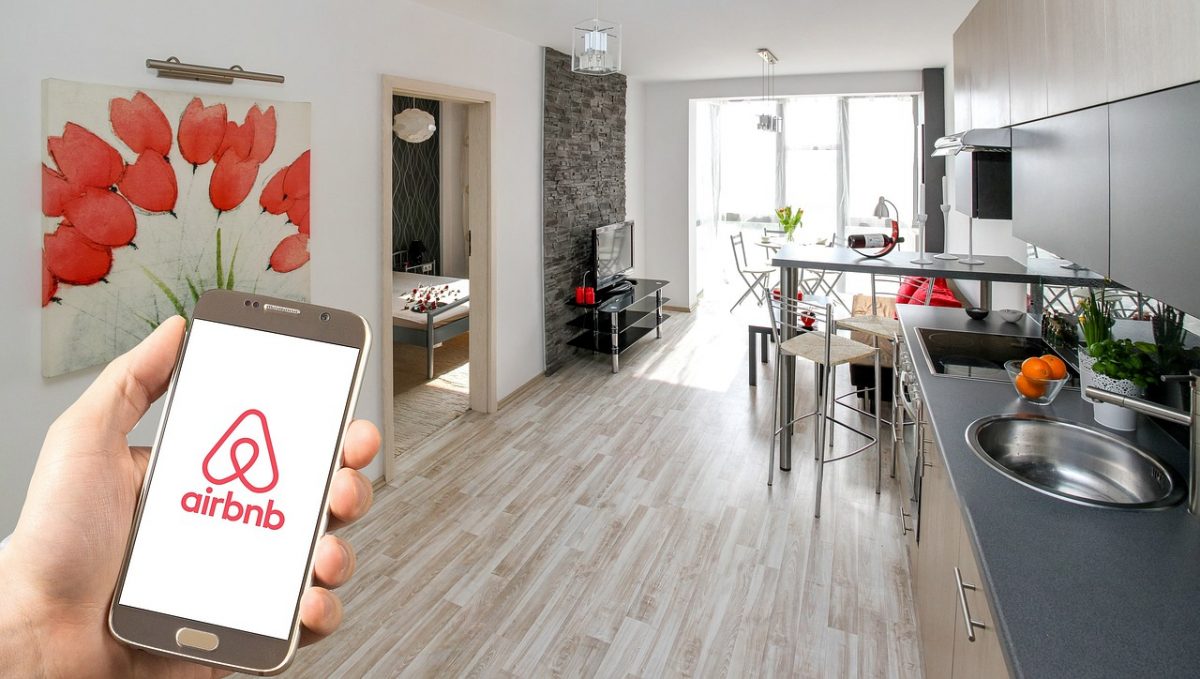
In the wake of the Covid-19 pandemic, the hospitality industry has shambled off down as one of the worst affected sectors. Amidst the gloom, Airbnb once again rises to the top, utilizing their expertise and swiftly transforming themselves to make the best out of the present-day travel scenario. From refunding bookings amounts to offering experiences online, they have been able to engage and retain their two primary stakeholders – guests and hosts. Here is what the hospitality industry can learn from Airbnb on how to win a battle against Covid-19.
The hospitality industry has taken quite a beating in the past few months due to the COVID-19 pandemic. Now that things are starting to return to some semblance of normalcy, what will the new post-pandemic normal look like for hotels? In part two of the “How Things Are Likely to Be Post-Pandemic”, let’s discuss this in relation to the non-business event industry.
COVID-19 has no doubt put a dent in everyone’s business plans, but it has especially affected the hotel industry by taking away a major source of revenue that comes from events and travel. In part one of “How Things Are Likely to Be Post-Pandemic”, let’s discuss this topic in relation to MICE travel and events.
The corona virus pandemic might be the biggest challenge the hospitality industry has faced in years, with travel bans being enforced all over the world and the majority of hotels going empty. However, amidst all the uncertainty lies a strong belief that the industry will recover, slowly but surely. Here’s why.
: In the age of coronavirus, most of us are either stuck at home or right on the frontlines. We’re all cautioning each other to take precautions and practice social distancing. But is that term even correct? Here’s my take on social distancing and what being social really means during a pandemic.
Grabbing customers’ attention used to be a time-taking but simple task in the past. Directory listings, radio, and print ads were the most popular and preferred mediums for targeting customers. On the other hand, customers also had limited choices. Direct telephone bookings or contacting travel agents were the only ways to book a room in a hotel. However, the internet changed everything, and the evolution in IT brought a paradigm shift to sales, marketing, and customer engagement in the hotel industry.
Winning the heart of guests has always kept the hoteliers on their toes. And now, with automation in the mix, the stakes are even higher! Struggling to keep up with the evolving industry trends? Take a look at how you can incorporate the industry’s latest trend, without giving compromising on quality.
Millenials are going to make up 75 per cent of the workforce by 2025. This means that you will have to find a way to work with them, despite all those notions you entertain about them. The key is to understand what makes them tick and use that to your advantage and strike a happy balance at the work place.
The hospitality industry is one of the most dynamic sectors in the world. It places its customers at the heart of its operations and works to deliver the best experience possible. But with changing times and changing demands of new age travelers, what are hotels doing to keep up with them and stay relevant despite the fierce competition in the industry?